Montessori, Waldorf, and Reggio Emilia
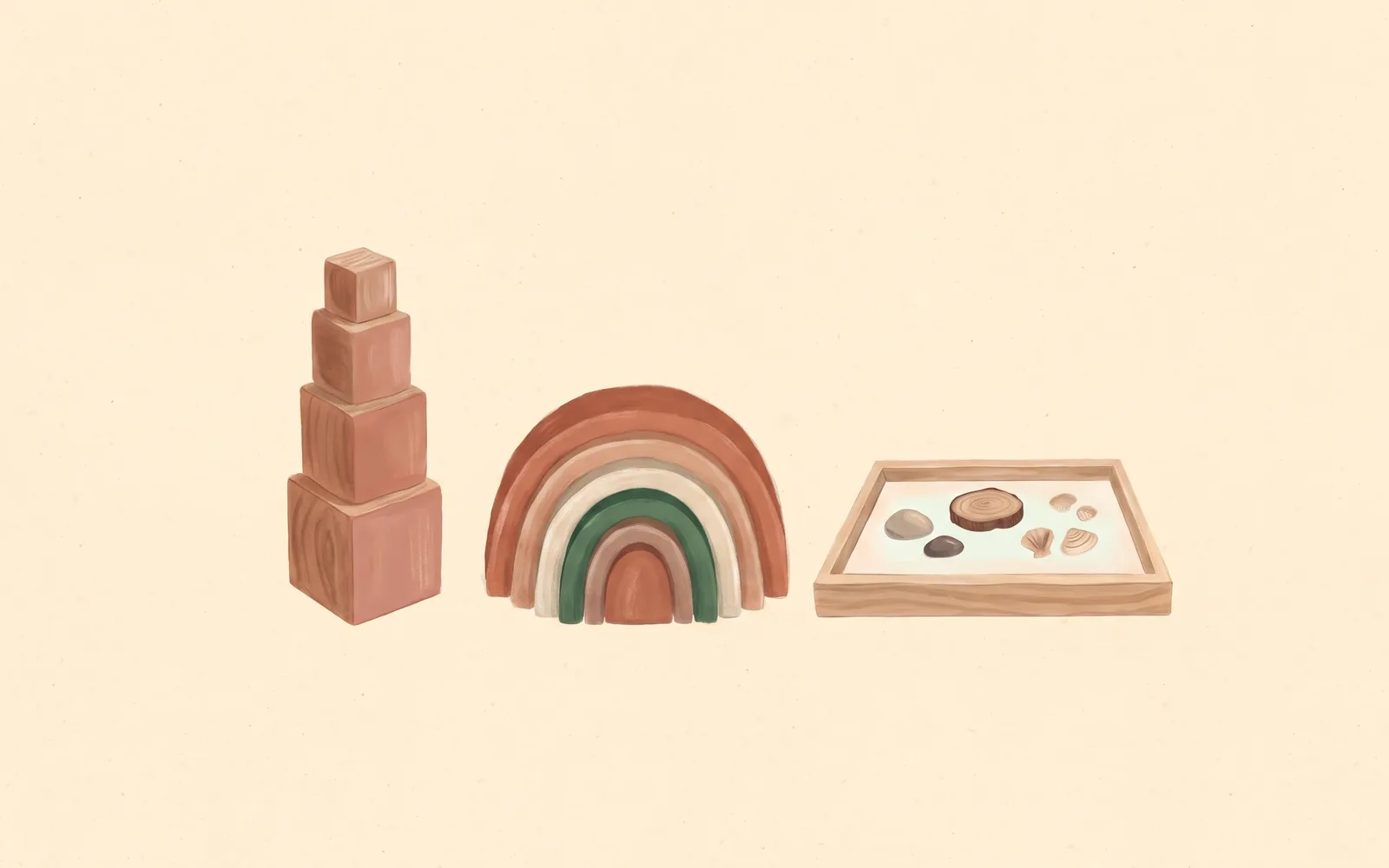
Three early-childhood approaches parents compare: materials and choice, arts and story, and long projects.
Montessori
Children choose from a prepared set of practical, sensorial, language, and math materials. The class is mixed-age, and the work period is long. The teacher gives short lessons and then leaves the child to practice.
Waldorf
Waldorf schools, associated with Rudolf Steiner, put more of the day into imaginative play, handwork, music, and story. A teacher often stays with the same class for several years. Academic materials arrive later than in many Montessori primary rooms.
Reggio Emilia
Reggio Emilia grew out of the municipal infant and preschool centers of Reggio Emilia, Italy. Classrooms follow long projects that start from the children’s questions, and teachers document the work. There is no single catalog of materials the way there is in Montessori.
Related: campuses, tuition table, AMI and AMS.
Questions from this page
How is Montessori different from Waldorf?
Waldorf schools, associated with Rudolf Steiner, put a strong emphasis on imaginative play, the arts, and a teacher who often stays with a class for several years. Montessori classrooms emphasize practical and sensorial materials and a long period when the child chooses the work. This page does not say which is a better fit, and it does not label any Austin campus as Waldorf.
How is Montessori different from Reggio Emilia?
Reggio Emilia is a project-based approach that grew out of the municipal schools of Reggio Emilia, Italy, with a large role for the classroom environment and for documenting children’s work. Montessori uses a prepared set of materials and mixed-age classes. A campus page here calls a school Reggio only when that school’s own text says so.